

Definition
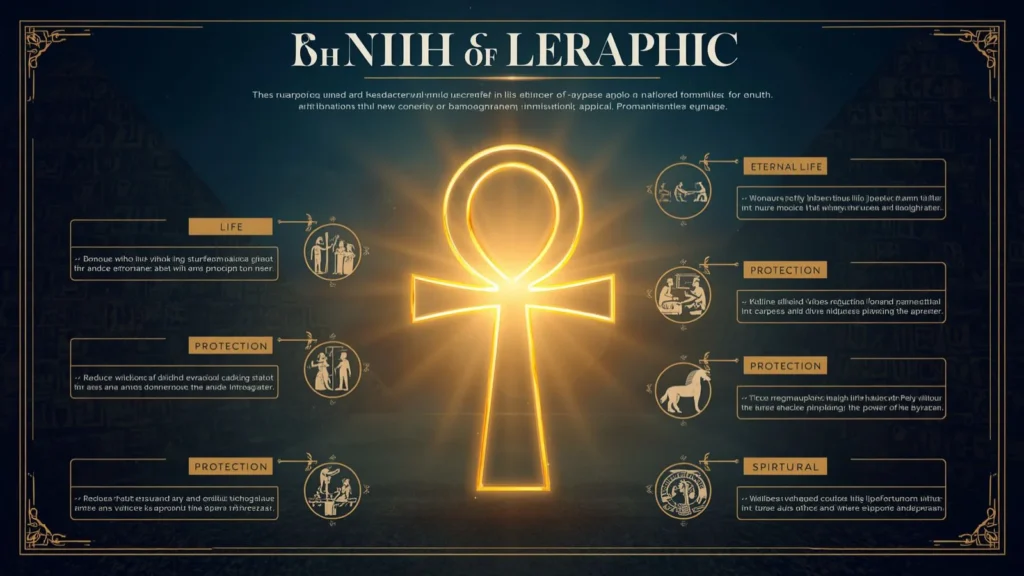
The ankh is an ancient Egyptian symbol that represents life, eternal life, immortality, protection, and the connection between the physical and spiritual worlds.
The Ankh is one of the most recognizable symbols from ancient Egypt. Often called the “Key of Life” or the “Cross of Life,” it has fascinated historians, spiritual seekers, and tattoo enthusiasts for centuries. Whether you’ve seen it in movies, jewelry, tattoos, or ancient artwork, you may be wondering about the true ankh meaning.
In this guide, you’ll discover what the ankh represents, where it came from, its spiritual significance, modern interpretations, and how it differs from other well-known symbols.
Ankh Meaning and Definition
What Does Ankh Mean?
The ankh is an ancient Egyptian symbol that represents life, eternal life, immortality, and spiritual power. It is shaped like a cross with a loop at the top and was commonly held by Egyptian gods and pharaohs in artwork.
Examples
| Context | Meaning |
|---|---|
| Ancient Egyptian art | Symbol of life and immortality |
| Jewelry | Represents protection and positive energy |
| Tattoos | Personal growth, eternal life, or spiritual beliefs |
| Spiritual practices | Connection between life and the divine |
Origin of the Ankh
The ankh dates back more than 5,000 years to Ancient Egypt. It frequently appeared in temple carvings, tomb paintings, and religious artifacts.
Egyptian gods were often shown holding the ankh or offering it to pharaohs, symbolizing the gift of life and divine power. Because of its association with eternal life, the symbol was also placed in tombs to guide and protect people in the afterlife.
Although historians continue to debate its exact origin, the ankh remains one of the most important symbols of ancient Egyptian civilization.
What Does the Ankh Symbol Represent?
The ankh has several symbolic meanings, including:
- Life
- Eternal life
- Immortality
- Spiritual wisdom
- Protection
- Balance between masculine and feminine energy
- Divine blessing
- Rebirth and renewal
Many people wear the ankh as a reminder to value life and embrace personal growth.
Ankh in Ancient Egyptian Culture
The ankh played a central role in Egyptian religion.
It often appeared:
- In temples and monuments
- On the walls of tombs
- In religious ceremonies
- In the hands of gods and goddesses
- On royal jewelry and amulets
Egyptians believed the symbol carried divine power and offered protection both during life and after death.
Modern Uses of the Ankh
Today, the ankh continues to be popular around the world.
Jewelry
Many people wear an ankh necklace or pendant as a symbol of life, hope, and spirituality.
Tattoos
An ankh tattoo often represents:
- A fresh start
- Eternal life
- Inner strength
- Faith
- Personal transformation
- Respect for ancient Egyptian culture
Fashion and Art
The ankh frequently appears in:
- Clothing
- Home décor
- Paintings
- Logos
- Digital artwork
Ankh vs Other Spiritual Symbols
| Symbol | Meaning | Difference |
|---|---|---|
| Ankh | Life and immortality | Ancient Egyptian symbol |
| Cross | Faith and salvation | Christian symbol |
| Yin Yang | Balance and harmony | Chinese philosophy |
| Lotus | Purity and enlightenment | Buddhist and Hindu traditions |
| Tree of Life | Growth and connection | Found in many cultures |
Is the Ankh a Religious Symbol?
Originally, yes.
The ankh was deeply connected to the religion of Ancient Egypt. Today, however, many people wear it for cultural, historical, artistic, or spiritual reasons rather than as a religious symbol.
Its meaning often depends on the individual wearing it.
Tips for Understanding the Ankh
- The ankh is primarily a symbol of life.
- It is closely associated with Ancient Egyptian civilization.
- Modern interpretations may vary based on personal beliefs.
- It’s commonly used in jewelry, tattoos, and artwork.
- Always consider cultural and historical significance when using the symbol.
FAQs
1. What does the ankh mean?
The ankh symbolizes life, eternal life, immortality, protection, and spiritual power in ancient Egyptian culture.
2. Is the ankh a religious symbol?
Originally, yes. It was an important religious symbol in Ancient Egypt, though today it is also used as a cultural and spiritual emblem.
3. Why is the ankh called the Key of Life?
It is called the Key of Life because ancient Egyptians believed it represented the power to give and sustain life, both on Earth and in the afterlife.
4. What does an ankh tattoo mean?
An ankh tattoo commonly symbolizes eternal life, personal growth, protection, resilience, spirituality, or a connection to ancient Egyptian heritage.
5. Is it okay to wear an ankh necklace?
Yes. Many people wear ankh jewelry as a symbol of life, hope, or appreciation for Egyptian history and culture.
6. What is the difference between the ankh and the Christian cross?
The ankh is an ancient Egyptian symbol of life and immortality, while the Christian cross represents faith, sacrifice, and salvation in Christianity.
7. What do the loop and cross of the ankh represent?
While interpretations vary, many believe the loop symbolizes eternal life or the soul, while the lower section represents earthly existence.
8. Is the ankh still used today?
Yes. The ankh remains popular in jewelry, tattoos, fashion, artwork, and spiritual communities around the world.
Conclusion
The ankh meaning goes far beyond its distinctive shape. As one of Ancient Egypt’s most enduring symbols, it represents life, immortality, protection, and spiritual connection. you encounter the ankh in historical artifacts, jewelry, or tattoos, its timeless message continues to inspire people across cultures. Understanding its history and symbolism helps you appreciate why the ankh remains one of the world’s most meaningful and recognizable ancient symbols.
See Also More :
- 200+ Best Replies to “Are You Okay”: For Every Mood, Situation & Vibe
- 350+ Notifyre SMS Replies Notifyre.com You Can Use in Any Situation in 2026