
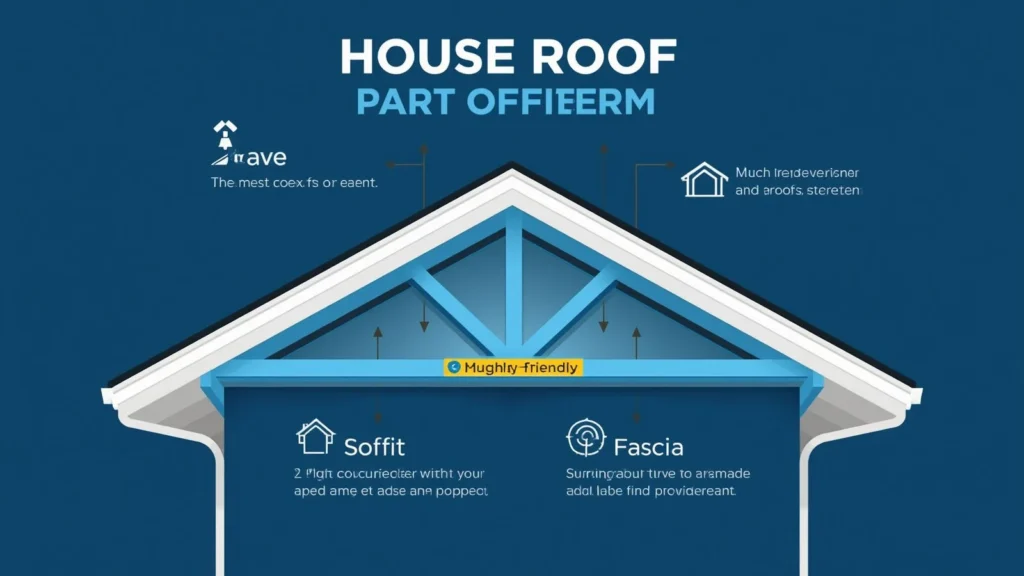

Definition
An eave is the lower overhanging edge of a roof that extends beyond a building’s walls to help protect them from rain and weather.
If you’ve ever looked at a house and noticed the edge of the roof extending beyond the walls, you’ve seen an eave. Although it’s a common architectural feature, many people don’t know its name or purpose. Understanding the eave meaning is useful whether you’re learning English, planning a home renovation, or simply expanding your vocabulary.
In this guide, you’ll learn the definition of eave, its origin, purpose, examples, related roofing terms, and how to use the word correctly in everyday English.
Eave Meaning and Definition
What Does Eave Mean?
An eave is the lower edge of a roof that extends beyond the outside wall of a building. Its main purpose is to direct rainwater away from the walls and foundation, helping protect the structure from water damage.
The plural form of eave is eaves.
Examples
| Sentence | Meaning |
|---|---|
| Birds built a nest under the eaves. | They nested beneath the roof’s overhang. |
| Rainwater dripped from the eaves after the storm. | Water fell from the roof’s edge. |
| The contractor repaired the damaged eaves. | The roof overhang was fixed. |
Origin of the Word “Eave”
The word eave comes from the Old English word efes, meaning the edge or border of a roof. It has been used for centuries in architecture and construction to describe the part of a roof that projects beyond the walls.
Today, eave remains a standard term in home construction, roofing, and property maintenance.
Purpose of an Eave
An eave serves several important functions.
1. Protects the Walls
The overhang keeps rainwater from running directly down the exterior walls.
2. Directs Water into Gutters
Most gutters are attached to the eaves, allowing rainwater to flow safely away from the building.
3. Provides Shade
Longer eaves help block direct sunlight, making homes cooler during warm weather.
4. Improves Appearance
Eaves contribute to a home’s architectural style and overall design.
Parts of an Eave
An eave typically includes several components.
| Part | Function |
|---|---|
| Roof Overhang | Extends beyond the wall |
| Fascia | The board attached to the roof’s edge |
| Soffit | The underside of the eave |
| Gutter | Collects and channels rainwater |
These parts work together to protect the building from weather and improve ventilation.
How Is Eave Used in Everyday English?
You’ll often hear the word eave in:
- Home improvement projects
- Roofing discussions
- Construction work
- Real estate listings
- Gardening and landscaping
Examples:
- “The birds are nesting under the eaves.”
- “The painter repaired the eaves before painting.”
- “Leaves clogged the gutters along the eaves.”
Eave vs Similar Roofing Terms
| Term | Meaning | Difference |
|---|---|---|
| Eave | Lower edge of the roof | Extends beyond the wall |
| Roof | Entire top covering of a building | Includes all roof parts |
| Fascia | Board along the roof edge | Attached to the eave |
| Soffit | Underside of the eave | Covers the overhang |
| Gutter | Water drainage channel | Usually fixed to the fascia |
Common Expressions with Eave
Some common phrases include:
- Under the eaves
- Roof eaves
- Wide eaves
- Repair the eaves
- Paint the eaves
- Nest in the eaves
Synonyms of Eave
Depending on the context, similar terms include:
- Roof overhang
- Roof edge
- Roof projection
- Overhanging roof
While these describe similar features, eave is the standard architectural term.
Opposites of Eave
Since an eave is a structural part of a roof, it doesn’t have a direct opposite. However, contrasting terms include:
- Interior ceiling
- Building wall
- Roof center
- Foundation
Tips for Using “Eave” Correctly
- Remember that eave refers only to the roof’s lower overhanging edge.
- Use eaves when referring to both sides of a roof or the roof edges in general.
- Don’t confuse eave with eve, which means the day before an important event.
- In construction, eave is a technical architectural term.
FAQs
1. What does eave mean?
An eave is the lower edge of a roof that extends beyond the outside wall of a building.
2. What is the purpose of an eave?
It protects the walls from rain, directs water into gutters, provides shade, and improves a building’s appearance.
3. What is the difference between an eave and a soffit?
The eave is the roof’s overhang, while the soffit is the underside of that overhang.
4. Is the plural of eave “eaves”?
Yes. The correct plural form is eaves.
5. Do all houses have eaves?
No. Some modern buildings have little or no roof overhang, while many traditional homes feature prominent eaves.
6. What is the difference between eave and eve?
Eave refers to a part of a roof, while eve means the day or evening before an event, such as Christmas Eve.
7. What are some synonyms for eave?
Common alternatives include roof overhang, roof edge, and roof projection.
8. How do you use eave in a sentence?
Example: “The carpenter replaced the damaged eaves before installing new gutters.”
Conclusion
The eave meaning refers to the lower overhanging edge of a roof that extends beyond a building’s walls. Although it may seem like a simple architectural feature, the eave plays an important role in protecting a home from rain, directing water into gutters, providing shade, and enhancing the building’s appearance. Whether you’re discussing home maintenance, construction, or architecture, understanding the meaning of eave will help you use the term accurately and confidently.
See Also More :
- 250+ Einstein Service Replies Comebacks for 2026
- 200+ Flirty Replies That Spark Attraction, Confidence, and Main Character Energy