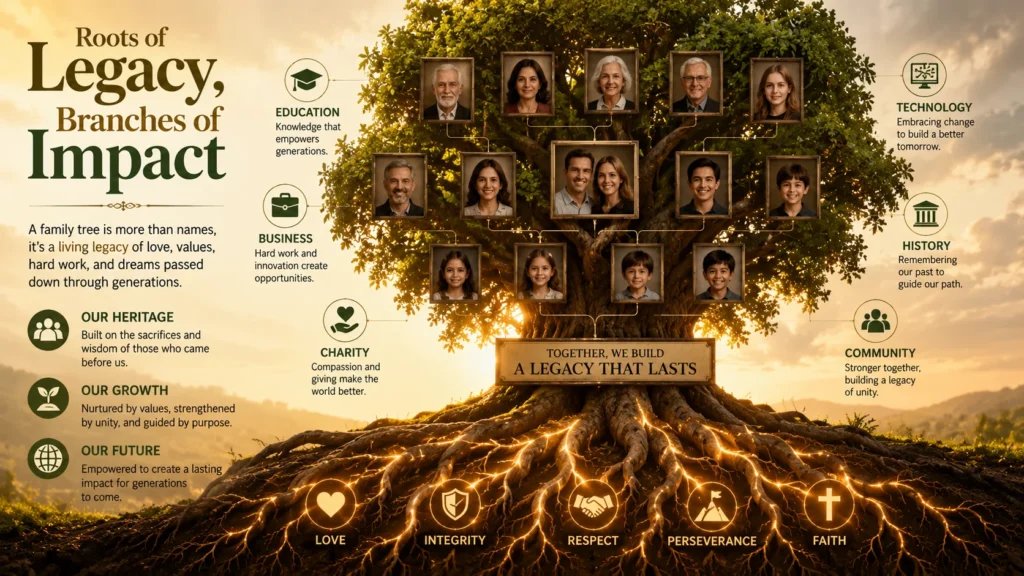

Legacy means something that is passed down from one person to another. It can refer to money, property, values, traditions, achievements, reputation, or lasting influence that someone leaves behind after their life or career.
Have you ever heard someone say, “His legacy lives on” or “She wants to leave a lasting legacy” and wondered what the word legacy really means? While many people associate it with inheritance or wealth, the meaning of legacy goes much deeper. It can describe the impact you leave on others, the traditions you pass down, or even the influence of a business, leader, or idea.
Today, the word appears everywhere, from family conversations and legal documents to business strategies, history books, and social media discussions. Understanding its meaning helps you use it correctly in both everyday conversations and professional writing.
You’re looking for the dictionary definition, curious about its origin, or searching for practical examples, this guide explains everything in simple, clear language.
Legacy Meaning
Quick Definition
In simple words:
A legacy is the lasting impact, possessions, or values that a person leaves for future generations.
Dictionary Style Definition
Legacy (noun)
- Money or property received from someone after their death.
- Something valuable, such as beliefs, traditions, knowledge, achievements, or influence, that continues after a person is gone.
- A lasting effect left by an individual, organization, event, or decision.
Pronunciation
Legacy: LEG-uh-see
Part of Speech
Noun
Meaning at a Glance
| Term | Meaning |
|---|---|
| Legacy | Something passed from one generation to another |
| Common Use | Inheritance, influence, reputation, traditions |
| Tone | Usually positive, sometimes neutral or negative |
| Part of Speech | Noun |
| Pronunciation | LEG-uh-see |
The Origin of the Word Legacy
The word legacy has a fascinating history that stretches back hundreds of years.
It comes from the Latin word legatus, meaning an ambassador or someone appointed by another person. Later, the Latin term legare meant to appoint or bequeath, especially through a legal will.
As the word entered Old French and eventually English during the Middle Ages, its primary meaning became a gift left to someone in a will.
Over time, English speakers expanded its meaning. Today, legacy is no longer limited to financial inheritance. It now commonly describes the memories, values, accomplishments, knowledge, and influence people leave behind.
This broader meaning is why the word appears so often in speeches, biographies, business discussions, and motivational writing.
Why Is the Word “Legacy” So Popular?
The popularity of legacy has grown significantly because people increasingly care about the impact they leave on others.
Instead of focusing only on wealth, many people now ask questions like:
- What legacy will I leave?
- How will people remember me?
- What positive difference can I make?
- What values will my family continue?
Businesses also use the word when discussing long-term success, while athletes, celebrities, politicians, and leaders often talk about the legacy of their careers.
You may also hear the term during:
- Graduation speeches
- Retirement ceremonies
- Memorial services
- Historical documentaries
- Business presentations
- Charity campaigns
- Leadership training
- Motivational seminars
Because of its emotional meaning, legacy has become one of the most powerful words in modern English.
What Does Legacy Mean in Everyday Life?
In everyday conversation, legacy usually refers to the positive impact someone leaves behind.
For example, a teacher’s legacy might be the thousands of students they inspired.
A parent’s legacy could be the values they taught their children.
An entrepreneur’s legacy may be a successful company that continues helping people long after they retire.
In many situations, legacy isn’t something you own. Instead, it’s something people remember about you.
Simple Examples
- Her kindness became her greatest legacy.
- His inventions changed the world and created a lasting legacy.
- They hope their charity work leaves a positive legacy.
- The family continues their grandfather’s legacy of honesty.
- Education was the greatest legacy their parents gave them.
Legacy Meaning in Different Contexts
One reason this word is so common is that it changes slightly depending on the situation.
Family Legacy
In families, legacy often means traditions, values, stories, or property passed from one generation to another.
Examples include:
- Family recipes
- Cultural traditions
- Moral values
- Heirlooms
- Land or property
- Family businesses
Example:
“Their family’s legacy includes three generations of doctors.”
Personal Legacy
A personal legacy is how people remember someone’s life and character.
This may include:
- Kindness
- Leadership
- Honesty
- Creativity
- Service to others
- Achievements
Example:
“She hopes her legacy will inspire young women to follow their dreams.”
Business Legacy
Companies also build legacies.
A business legacy includes:
- Trusted reputation
- Innovation
- Excellent customer service
- Long-term success
- Positive workplace culture
Example:
“The founder created a legacy of quality that continues today.”
Historical Legacy
History books frequently discuss the legacy of important leaders and events.
Examples include:
- Scientific discoveries
- Political decisions
- Social movements
- Wars
- Cultural achievements
Example:
“The scientist’s legacy transformed modern medicine.”
Cultural Legacy
Countries and communities preserve cultural legacies through:
- Music
- Language
- Festivals
- Architecture
- Traditional clothing
- Art
Example:
“The ancient temple remains an important cultural legacy.”
Educational Legacy
Schools and universities often speak about academic legacy.
This includes:
- Research
- Scholarships
- Influential teachers
- Educational achievements
- Contributions to knowledge
Example:
“His research left a lasting legacy in medical education.”
Is Legacy Always Positive?
Most people use legacy in a positive way, but it can also describe negative effects.
Positive Legacy
A positive legacy refers to something beneficial that continues helping others.
Examples:
- Helping communities
- Inspiring future generations
- Creating useful inventions
- Supporting education
- Promoting peace
Example:
“Her generosity became her greatest legacy.”
Neutral Legacy
Sometimes the word simply describes what remains without judging it is good or bad.
Example:
“The company inherited the legacy systems from its previous owners.”
Here, legacy systems simply means older technology that still exists.
Negative Legacy
Legacy can also describe harmful consequences that continue for years.
Examples:
- Corruption
- Environmental damage
- Poor leadership
- Bad financial decisions
- Social injustice
Example:
“The country continues to deal with the legacy of past conflicts.”
The tone depends entirely on the context.
Common Real-World Uses of Legacy
You will often encounter the word in many areas of life.
| Context | Example |
|---|---|
| Family | Parents leave values as their legacy. |
| Law | A legacy may refer to money left in a will. |
| Business | Companies build a legacy through quality service. |
| Technology | Legacy software still operates despite being outdated. |
| Sports | Fans celebrate an athlete’s legacy after retirement. |
| Education | Great teachers leave a legacy of learning. |
| Politics | Historians debate a president’s legacy. |
| Charity | Donations create a lasting legacy for future generations. |
Real-Life Examples of Legacy in Sentences
Reading examples is one of the easiest ways to understand how the word naturally fits into conversations.
Family
“My grandmother’s legacy lives on through the traditions she taught us.”
Context: The family continues her customs and values.
Career
“After thirty years of teaching, he left an incredible legacy.”
Context: His influence continues through his students.
Business
“The founder built a legacy of trust and innovation.”
Context: The company’s strong reputation continues today.
Technology
“Many organizations still rely on legacy software.”
Context: Older computer systems remain in use even though newer versions exist.
History
“Her legacy changed the course of modern science.”
Context: Her discoveries continue influencing researchers around the world.
Personal Growth
“I want my legacy to be helping people whenever I can.”
Context: The speaker wants to be remembered for kindness rather than material success.
How to Use “Legacy” Correctly in Sentences
Although legacy is a simple word, its meaning changes depending on the context. It usually refers to something that continues after a person’s life, career, or actions. In some cases, it refers to an inheritance, while in others, it describes a lasting influence or reputation.
Here are different ways to use legacy naturally.
Talking About a Person’s Life
When discussing someone’s achievements or character, legacy refers to how they will be remembered.
Examples:
- “She left behind a legacy of compassion and generosity.”
- “His legacy continues to inspire young entrepreneurs.”
- “People will remember her legacy for many years.”
Tone: Positive and respectful.
Talking About Family
Families often use legacy to describe traditions, values, heirlooms, or stories passed from one generation to the next.
Examples:
- “Our family’s legacy is built on honesty and hard work.”
- “The farm has remained part of the family legacy for over a century.”
- “She proudly carries on her parents’ legacy.”
Tone: Warm and meaningful.
Talking About Business
Businesses use the word to describe long-term reputation, success, and influence.
Examples:
- “The company has built a legacy of innovation.”
- “His leadership created a lasting business legacy.”
- “Customers trust the brand because of its strong legacy.”
Tone: Professional and positive.
Talking About Technology
In technology, legacy has a different meaning. It refers to older systems, software, or hardware that are still being used even though newer options exist.
Examples:
- “The company still depends on legacy software.”
- “Legacy systems require regular maintenance.”
- “Migrating away from legacy technology can be expensive.”
Tone: Neutral and technical.
Talking About Law
In legal documents, legacy often means money or property left to someone through a will.
Examples:
- “She received a generous legacy from her uncle.”
- “The will included several financial legacies.”
- “The legacy was divided equally among the children.”
Tone: Formal and legal.
Legacy Meaning in Technology
One of the most searched meanings of legacy relates to computers and software.
A legacy system is an older computer system, application, or technology that is still in use because replacing it would be difficult, expensive, or risky.
It doesn’t necessarily mean the system is bad. Many legacy systems continue to perform important tasks.
Examples
| Term | Meaning |
|---|---|
| Legacy software | Older software still being used |
| Legacy system | An outdated but operational computer system |
| Legacy application | An older application maintained for compatibility |
| Legacy hardware | Older equipment still functioning |
Example Sentences
- “The bank still operates several legacy systems.”
- “Updating legacy software requires careful planning.”
- “Many hospitals continue using legacy applications.”
Legacy Meaning in Law
In legal language, legacy refers to property or money that someone leaves to another person through a will.
For example:
“The children each received a legacy from their grandmother.”
Here, legacy specifically means an inheritance mentioned in a legal document.
This legal meaning is one of the oldest uses of the word.
Legacy in Education
Teachers, schools, and universities often use legacy to describe lasting contributions.
Examples include:
- Inspiring future students
- Creating scholarships
- Writing important research
- Improving education
- Mentoring young professionals
Example
“Her greatest legacy was encouraging thousands of children to love reading.”
Legacy in Sports
Athletes often talk about the legacy they want to leave after retirement.
A sports legacy can include:
- Championships
- Records
- Leadership
- Team culture
- Inspiration for younger players
Examples
- “His legacy extends beyond winning trophies.”
- “Fans continue celebrating her incredible legacy.”
- “He hopes to leave a legacy of determination.”
Legacy in Leadership
Great leaders are remembered not only for results but also for how they treated people.
Leadership legacy often includes:
- Vision
- Integrity
- Team development
- Innovation
- Positive workplace culture
Example
“She created a leadership legacy based on trust and respect.”
Legacy in Culture and Society
Countries preserve their cultural legacy through traditions and history.
Examples include:
- Historic buildings
- Ancient languages
- Traditional music
- Art
- Festivals
- Literature
Example
“The museum protects the nation’s cultural legacy.”
Legacy Meaning in Social Media
On social media, people often use legacy in inspirational posts.
Common examples include:
- “Build a legacy, not just a career.”
- “Your legacy is written by your actions.”
- “Leave the world better than you found it.”
Here, legacy refers to a person’s long-term impact rather than money or possessions.
Examples With Tone Explanations
Understanding tone helps you use the word naturally.
| Sentence | Tone | Meaning |
|---|---|---|
| “She left a beautiful legacy.” | Positive | Admiration and respect |
| “His legacy changed the industry.” | Positive | Long-lasting influence |
| “The country still struggles with that legacy.” | Negative | Continuing problems |
| “We still use legacy software.” | Neutral | Older technology |
| “Their family’s legacy continues.” | Warm | Family traditions |
| “His legacy will inspire generations.” | Inspirational | Positive influence |
Legacy vs Related Words
Many words are similar to legacy, but they are not identical.
| Word | Meaning | Difference from Legacy |
|---|---|---|
| Inheritance | Property or money received after death | Focuses mainly on financial assets |
| Heritage | Cultural traditions and history | Usually refers to groups or communities |
| Tradition | Customs passed through generations | More about repeated practices |
| Reputation | Public opinion about someone | Exists while a person is alive or after death |
| Influence | Power to affect others | Can be temporary, while legacy is lasting |
| Impact | Effect of actions | Legacy usually lasts much longer |
Simple Comparison
Legacy
Focuses on what continues after someone.
Example:
“Her legacy lives on through education.”
Inheritance
Usually refers to wealth or property.
Example:
“He received an inheritance from his parents.”
Heritage
Often refers to culture and history.
Example:
“They are proud of their cultural heritage.”
Alternate Meanings of Legacy
Although legacy usually refers to lasting influence or inheritance, it has several specialized meanings.
1. Financial Legacy
Money or property left through a will.
Example:
“The legacy was donated to charity.”
2. Personal Legacy
How someone is remembered.
Example:
“Kindness became her greatest legacy.”
3. Technology Legacy
Older systems that remain in use.
Example:
“Legacy software requires updates.”
4. Historical Legacy
Long-term effects of historical events.
Example:
“The city’s architecture reflects its historical legacy.”
Synonyms of Legacy
Depending on the sentence, you can replace legacy with similar words.
- Heritage
- Inheritance
- Tradition
- Influence
- Impact
- Contribution
- Reputation
- Footprint
- Endowment
- Bequest
- Gift
- Estate
Remember that not every synonym fits every situation, so always choose the one that best matches the context.
Professional Alternatives to “Legacy”
In business, academic, or formal writing, you may prefer more specific words.
| Legacy | Professional Alternative |
|---|---|
| Legacy | Long-term impact |
| Legacy | Enduring contribution |
| Legacy | Lasting influence |
| Legacy | Historical contribution |
| Legacy | Organizational heritage |
| Legacy | Institutional tradition |
| Legacy | Enduring value |
| Legacy | Lasting achievement |
Examples
Instead of:
“The CEO left an amazing legacy.”
You could write:
“The CEO left a lasting organizational impact.”
Or:
“The CEO’s enduring contribution continues to shape the company.”
Common Mistakes When Using “Legacy”
Many English learners confuse legacy with similar words. Avoid these common mistakes.
Mistake 1: Using Legacy Only for Money
Incorrect thinking:
Legacy only means inheritance.
Correct understanding:
Legacy can refer to money, values, influence, traditions, achievements, or reputation.
Mistake 2: Assuming Legacy Is Always Positive
Not always.
Example:
“The nation continues to face the legacy of pollution.”
Here, legacy describes a negative long-term effect.
Mistake 3: Confusing Legacy With Heritage
Although related, they are different.
- Heritage focuses on culture and history.
- Legacy focuses on what is left behind by people or organizations.
Mistake 4: Using Legacy as a Verb
Legacy is almost always a noun.
Incorrect:
“He legacyed the company.”
Correct:
“He left a lasting legacy for the company.”
Mistake 5: Forgetting the Context
The meaning changes depending on you’re talking about family, technology, law, history, or business.
Always consider the context before using the word.
FAQs
What does legacy mean in simple words?
Legacy means something that a person leaves behind for future generations, such as money, values, achievements, traditions, or a lasting influence. It is often used to describe how someone will be remembered.
Is legacy always about inheritance?
No. While legacy can refer to money or property left in a will, it more commonly describes a person’s lasting impact, reputation, or contributions to others.
What is the difference between legacy and heritage?
Legacy usually refers to the influence or possessions left by an individual, while heritage focuses on the cultural traditions, history, and customs shared by a family, community, or nation.
What does legacy mean in technology?
In technology, legacy refers to older software, hardware, or computer systems that are still being used even though newer alternatives are available.
Can legacy have a negative meaning?
Yes. Legacy can describe long-lasting negative effects, such as pollution, conflict, or poor leadership that continues to affect people over time.
How do you use legacy in a sentence?
You can say, “Her legacy of kindness inspired everyone in the community.” This means her positive actions continue to influence others even after she is gone.
Why is legacy considered important?
Legacy is important because it reflects the lasting impact of a person’s actions, values, and achievements. Many people strive to leave a positive legacy that benefits future generations.
What are some synonyms for legacy?
Common synonyms include inheritance, heritage, influence, impact, contribution, tradition, bequest, reputation, and lasting achievement. The best synonym depends on the context.
Conclusion
The word legacy is much more than an inheritance or a legal term. It represents the lasting influence, values, achievements, traditions, or contributions that continue long after a person, organization, or event has passed.
You’re talking about a family’s traditions, a company’s reputation, a leader’s accomplishments, or legacy software in technology, the meaning always centers on what is carried forward into the future. By understanding its different uses and contexts, you can confidently use legacy in everyday conversations, professional writing, and academic discussions.